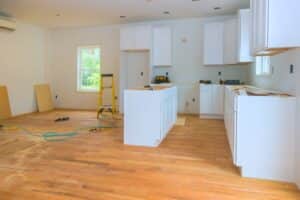
A bathroom remodel is one of the best ways to improve comfort, functionality, and home value. While most homeowners focus on tile selections, fixtures, and layout, one critical element often happens behind the scenes: waterproofing. Without proper moisture protection, even a newly remodeled bathroom can experience hidden damage that leads to expensive repairs.
Understanding how bathroom waterproofing works — and why it matters — can help you make smarter decisions during your renovation and protect your investment for years to come.
Why Waterproofing Matters in Bathroom Remodels
Bathrooms are exposed to water daily through showers, tubs, sinks, and humidity. Over time, moisture can penetrate walls, floors, and structural components if not properly blocked. This can lead to mold growth, wood rot, and weakened framing — problems that are costly and disruptive to repair.
Effective waterproofing creates a barrier that stops water from entering vulnerable areas. Contractors who specialize in bathroom remodels treat waterproofing as a foundational step, not an optional upgrade. When done correctly, it ensures your bathroom remains durable, safe, and hygienic long after the remodel is complete.
Techniques and Materials Used to Prevent Leaks and Mold
Modern bathroom waterproofing relies on a combination of materials and precise installation methods designed to handle constant moisture exposure.
Waterproof Membranes
These membranes are applied beneath tile and flooring, either as liquid coatings or sheet systems. Once cured, they form a continuous, watertight barrier that prevents moisture from reaching walls and subfloors.
Cement Backer Boards
Unlike standard drywall, cement backer boards are moisture-resistant and provide a stable base for tile. They are commonly used in showers, tub surrounds, and other wet areas.
Sealants and Caulking
High-quality sealants are used at joints, corners, and plumbing penetrations. These small details are critical, as even minor gaps can allow water to seep into hidden spaces.
Proper Drainage and Slope
Shower floors must be sloped correctly toward the drain. Poor drainage allows water to pool, increasing the risk of leaks and long-term damage.
When these components work together, they provide long-lasting protection against moisture intrusion.
How Improper Waterproofing Leads to Costly Repairs
Cutting corners on waterproofing is one of the most common — and expensive — remodeling mistakes. Water damage often develops slowly and invisibly, making it difficult to detect until major issues arise.
Common consequences of improper waterproofing include:
- Mold and mildew behind walls
- Soft or sagging floors
- Cracked tiles caused by shifting subfloors
- Structural wood damage
Fixing these problems typically requires removing finished surfaces, driving repair costs far beyond what proper waterproofing would have cost initially. Investing in professional installation from the start is the most cost-effective approach.
Long-Term Maintenance Tips for Homeowners
Even a properly waterproofed bathroom benefits from routine care. Homeowners can extend the life of their remodel by following a few simple practices:
- Inspect caulking around tubs and showers regularly and replace it if cracked or peeling
- Use exhaust fans to reduce humidity after showers
- Address plumbing leaks immediately
- Avoid harsh cleaners that can degrade grout and sealants
These habits help maintain the integrity of waterproofed areas and prevent moisture buildup over time.
The Value of Professional Waterproofing
Bathroom waterproofing requires precision, experience, and knowledge of building standards. Small installation errors can compromise the entire system. Professional contractors ensure materials are applied correctly, local codes are met, and every detail is handled with care.
A professionally waterproofed bathroom not only looks better but performs better — protecting your home from long-term moisture damage and preserving the value of your remodel.
Properly waterproofed showers are essential for maintaining a functional and visually appealing bathroom. It’s important to address any leaks in your plumbing as soon as possible to prevent water from seeping into walls and floors. Additionally, harsh cleaners can erode grout and sealants, so it’s best to use gentle products that won’t compromise the integrity of your waterproofing.
Final Thoughts
Water protection is one of the most important elements of any successful bathroom renovation. If you’re planning a remodel, working with experienced professionals ensures your project is built to last. Learn more about professional bathroom waterproofing services from Barlow Construction, and discover how expert craftsmanship can help protect your bathroom remodel from moisture damage for years to come.